
How do you clean and store TENS electrode pads?
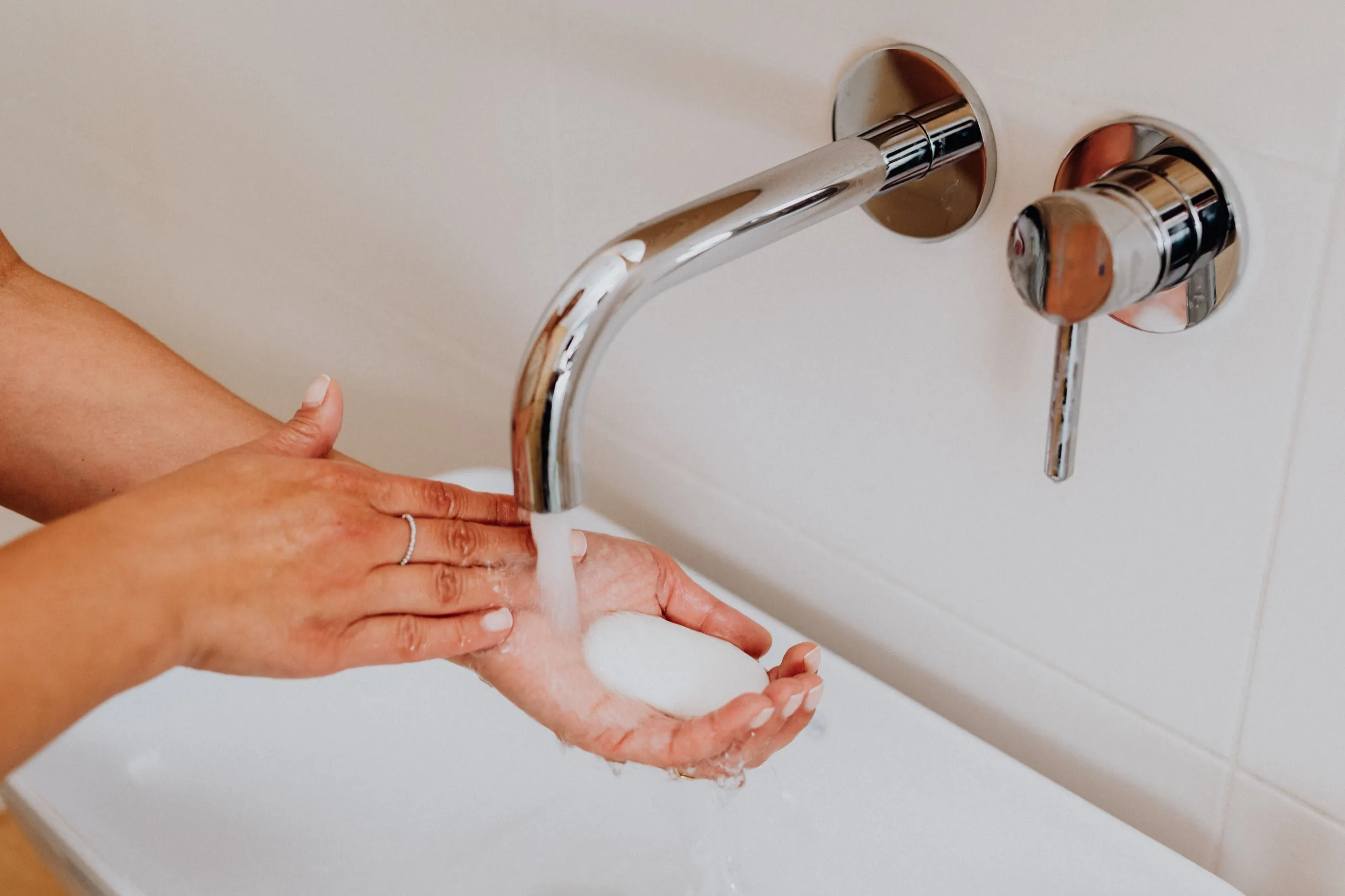
University of Iowa Health Care (UIHC) says to wash dirty pads softly with your fingertips under slow-running, cold water, air-dry them, and store them back on their liner in the plastic bag. Pad makers give their own directions, and those win. This post reports what UIHC says. If your pad package says something different, follow the instructions that came with your pads.
An electrode pad is a sticky patch that carries current from the TENS unit to the body. A TENS unit sends mild electrical pulses through these pads to relieve pain. The NHS page has no pad-cleaning steps, so UIHC is our main source here.
How should you look after pads, step by step?
UIHC gives these points in its “Tips for use” and “To stop treatment” sections.
- Turn the unit off before you take off, move or put on pads.
- Take the lead wires out of the pads with care. UIHC says “Pulling or yanking on the wires could damage the electrodes.”
- Peel the pads off gently and place them back onto the plastic liner. You may also leave them on until your next use if you will use them again within the next 2 hours, UIHC says.
- Put the liner and pads in the plastic storage bag. Store the bag in a cool, dry place.
- Clean your skin before you start and put pads back in their bags when you are done. UIHC says pads “will stay sticky and last longer” this way.
Keep the bag and liner your pads came in. UIHC says to “save the bag for future storage” and “save the liner for future storage.”
How do you make TENS pads sticky again?
UIHC describes two ways, with a limit on each.
| Problem | What UIHC says to try | If it does not work |
|---|---|---|
| Pad is dirty or hard to attach | Wash softly with your fingertips under slow-running, cold water, then air-dry | UIHC says you can clean and dry the patch or replace it with a new patch |
| Pad will not stay in place | Wet your fingertip with water and gently rub the patch surface. Let it dry for 60 seconds, then try again | Use new pads, or try a skin prep product |
| Pad slips because of sweat | Try a skin prep product | Ask your health care team about medical tape |
UIHC says patches “can dry out if left out of the storage bags too long.” It also says the adhesive wears out in time. It says patches “can be used over and over, until the adhesive wears out,” and that patches “may last up to 2 weeks.” These are UIHC’s figures for the pads it describes. Your pads may be built to last a different time.
What about skin prep products?
UIHC says “Some people find their TENS electrodes can slip and slide around.” Its page describes a skin prep product that you put on the skin before the patch. Its directions are:
- Using water only, clean the area where the electrodes will be applied.
- Let skin dry.
- Use skin prep on the same area and let skin dry.
- Wash your hands so you do not get the skin prep on other surfaces or in your eyes.
- Put on electrodes as usual.
UIHC says you can buy skin prep online or at a medical supply store. If a skin prep product does not help, UIHC suggests holding pads in place with medical tape, and says to ask your health care team for instructions. Read the label on any skin product, and ask your clinician if you have sensitive skin.
How do you clean the TENS unit itself?
UIHC gives separate directions for the unit:
- Turn it off and take the lead wires out of the pads.
- Gently wipe the unit with a slightly moistened, soft cloth.
- “Do not use chemical cleaners.”
- “Do not use rubbing alcohol.”
- “Do not let water get inside the unit.”
For storage, UIHC says to keep the unit and wires in a cool, dry place when you are not using them, and to check the instruction manual for more details about your unit. It says to take the batteries out if you will not use the unit for a long time, so the liquid in the batteries does not leak. It says not to bend or coil the lead wires tightly.
When should you stop using a pad?
Stop if skin irritation appears. The NHS says: “If your skin becomes itchy, irritated or red (redness may be harder to see on brown or black skin), turn off the machine and remove the pads.” UIHC lists skin irritation (redness, rash, itching) among reasons to stop and talk with your doctor or health care team. It also notes that people who are allergic to nickel or adhesives may have skin irritation with TENS.
UIHC adds two rules about sharing and placement: do not share your patches with other people, and do not put them on broken or irritated skin. Our post on where not to put TENS pads lists areas to avoid. Our TENS unit safety guide covers more.
Where do replacement pads come from?
UIHC says: “Look in your TENS unit manual to learn how you can get more TENS supplies.” It suggests checking with the vendor to be sure the patches work with your unit. For how Medicare handles supplies, see our post on Medicare TENS supply limits and our guide to TENS electrode pads and supplies.
Next step
Read the care instructions that came with your pads, and ask your clinician about skin that reacts to them. For questions about getting a unit or supplies, call Analgesic Healthcare at (800) 749-1188 or use contact.
Questions people ask
How do you make TENS pads sticky again?
University of Iowa Health Care says to wet your fingertip with water, gently rub the patch surface, let it dry for 60 seconds, and try the patch again. If this does not work, use new patches. Follow the instructions that came with your pads.
How should you store TENS pads?
University of Iowa Health Care says to put the liner and patches in the plastic storage bag and store them in a cool, dry place until you use them again. It says patches can dry out if left out of the bags too long.
How long do TENS pads last?
University of Iowa Health Care says patches can be used over and over until the adhesive wears out, and that patches may last up to 2 weeks. Your pad maker's instructions may differ, so follow the instructions that came with your pads.
Can you clean the TENS unit itself with alcohol?
University of Iowa Health Care says to gently wipe the unit with a slightly moistened, soft cloth and not to use chemical cleaners or rubbing alcohol. It also says not to let water get inside the unit.
Terms on this page
Sources
- University of Iowa Health Care: Transcutaneous electrical nerve stimulator (TENS)
- NHS: TENS (transcutaneous electrical nerve stimulation)
Checked against the sources above on October 26, 2026. Coverage rules change, so check the linked page or your plan before you act.
This page gives general information, not medical advice. Talk with your doctor or physical therapist about your own care, and follow your clinician's and your device's instructions. In an emergency, call 911.